
Ungrammaticalities: Linguistic Literary Criticism from ‘The Battle of Maldon’ to Muriel Spark – available from August 2024
It’s taken about 18 months to complete the work, but at last, the book and e-book are available to purchase HERE. The book comprises many essays and blog posts previously available on www.auntymuriel.com and I have removed the online content to avoid breach of copyright.
Stylistics and the Form/Content Dichotomy is also available as a separate publication from Lambert Academic Publishing.
I have reproduced below the cover art for the forthcoming title, and the table of contents, the latter serving as a quick-glance guide to the list of material removed from this site. Please feel free to use the contact form on this site to get in touch if you have any questions about the book or e-book.

Table of Contents
STYLISTICS AND THE FORM/CONTENT DICHOTOMY: 2005-2007
Chapter 1: Foregrounding
Chapter 2: Speech and Thought Representation in Fiction
Chapter 3: Fictional Point of View
Chapter 4: The Role of the Reader

MURIEL SPARK: ESSAYS AND BLOG POSTS, 2011-2015
‘Excluding the lumpen hoi polloi’: The auto/biographies of
Muriel Spark
The Murder of Merle Coverdale
Truth and the telling of stories: The Twins
Through a glass, darkly: Muriel Spark’s The Dark Glasses
Muriel Spark’s ghost stories: The Executor and
The Portobello Road
Repetition and narrative time in Muriel Spark’s
The Bachelors, The Ballad of Peckham Rye and A Member
of the Family

LITERARY LINGUISTICS: COLLECTED ESSAYS, 2015-2018
Schema theory, universal minds and the impossibility of
the characterless character: a study of Katherine Mansfield’s
The Man Without A Temperament
Focalization in verbo-visual texts: Treat by Stephen Collins
The Battle of Maldon and Byrhtnoth’s ‘ofermod’
Intertextuality and the poetry of John Heath-Stubbs
Contextual frame theory and Shirley Jackson’s A Visit
Fictional consciousness in comics: Ascribing a mind to
Iris Pink-Percy in Rachael Ball’s The Inflatable Woman

SHORTER WRITINGS AND BLOG POSTS, 2012-2018
“It’s SOMEONE’S fucking fault”: social responsibility in
J K Rowling’s The Casual Vacancy
Masculinity and Metaphor in Teen Wolf
King Gary and his court: repetition and prolepsis in
The World’s End
A potential development for cognitive poetics: text world
theory and verbo-visual narratives
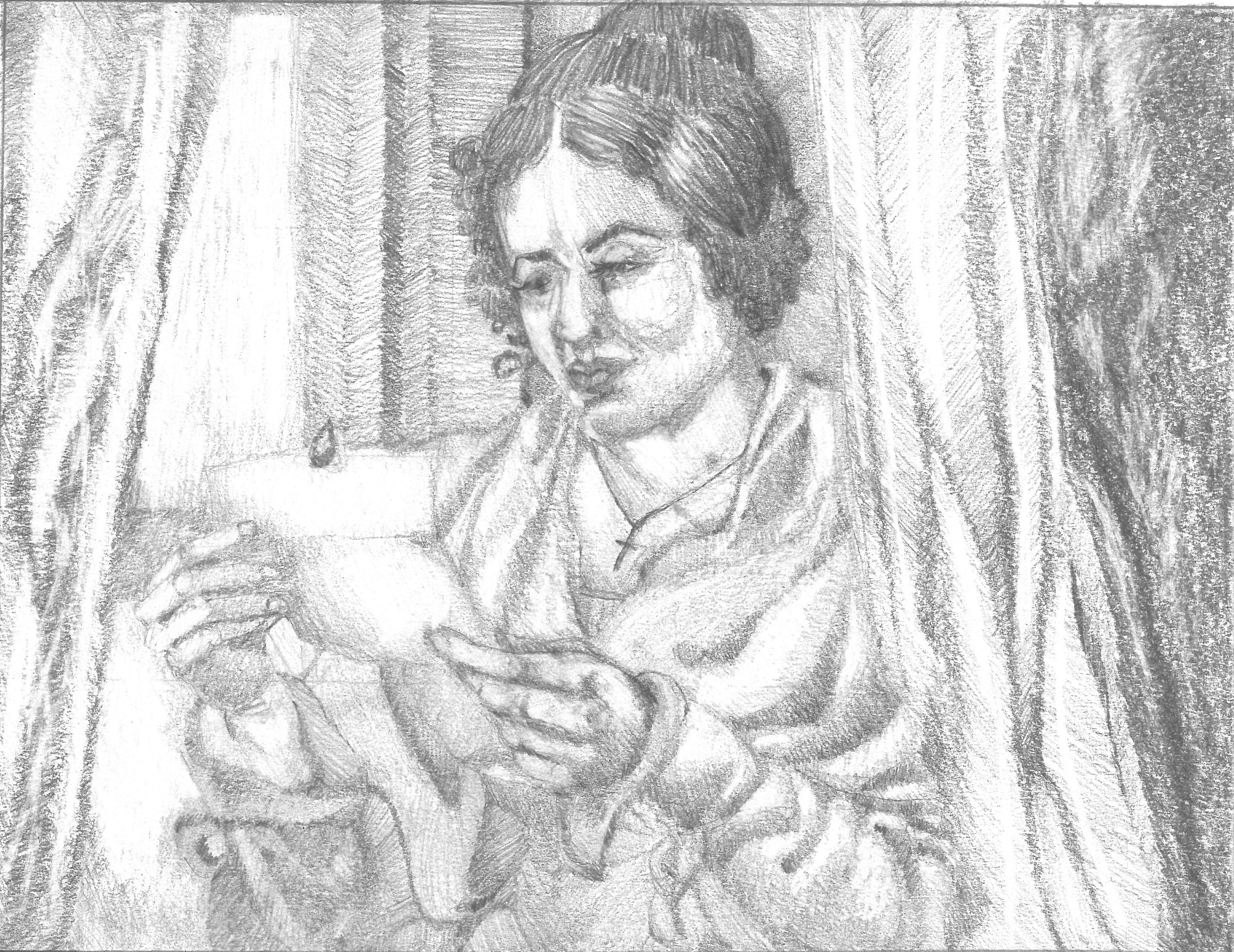
Elizabeth reads Darcy’s letter
Focalization in Chaucer and Swift
Ghost Stories
1: The structure of ghost stories – the punchline
2: The reader’s imagination – filling in the gaps, or
Don’t Show The Monster
It could have been so good: Daphne du Maurier’s Rebecca
‘My little stories like birds bred in cages’: the letters and
journals of Katherine Mansfield
The missing enactor in Our Spoons Came From Woolworths
 Aunty Muriel's Blog